
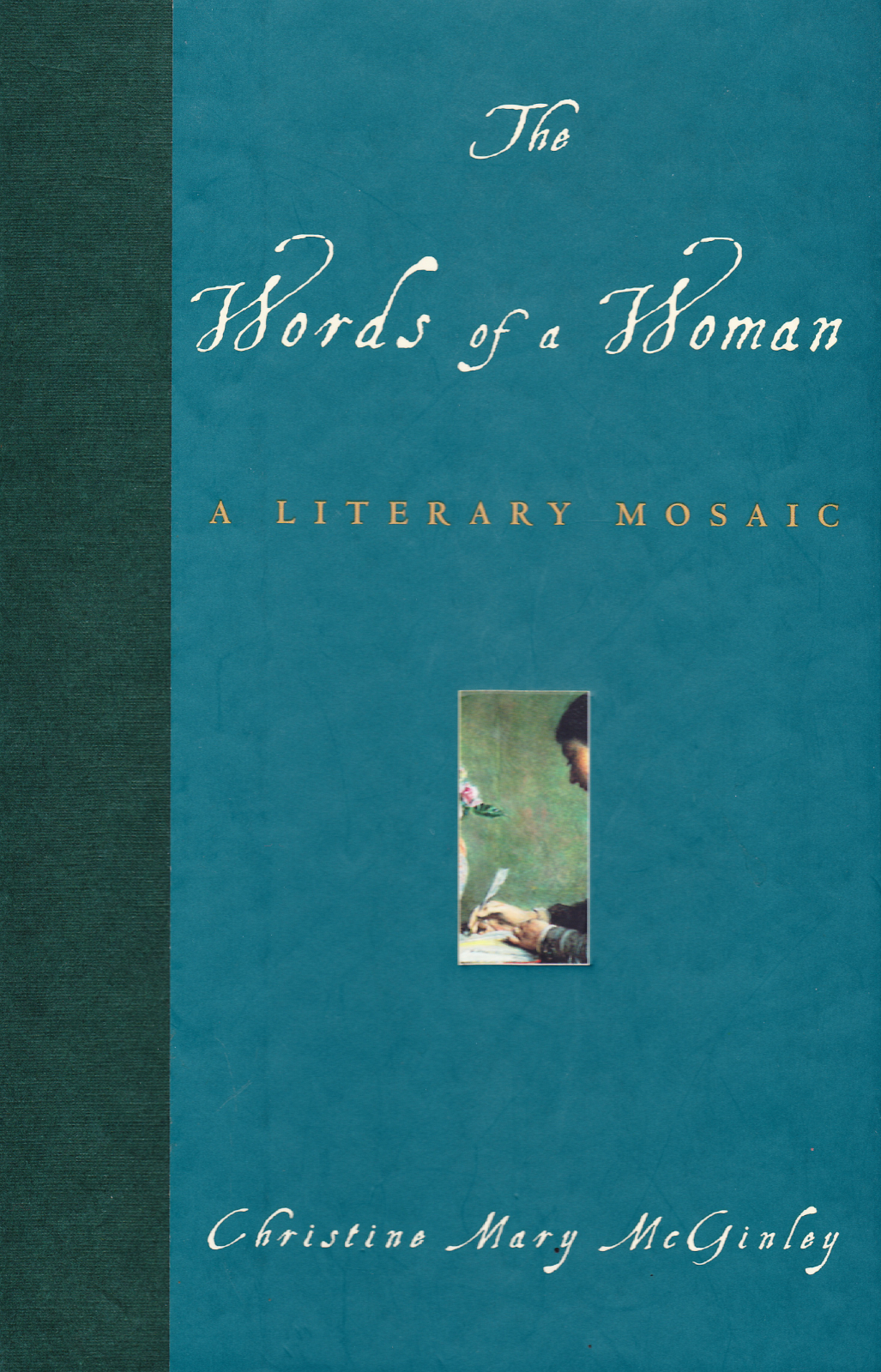
The Words of a Woman: A Literary Mosaic
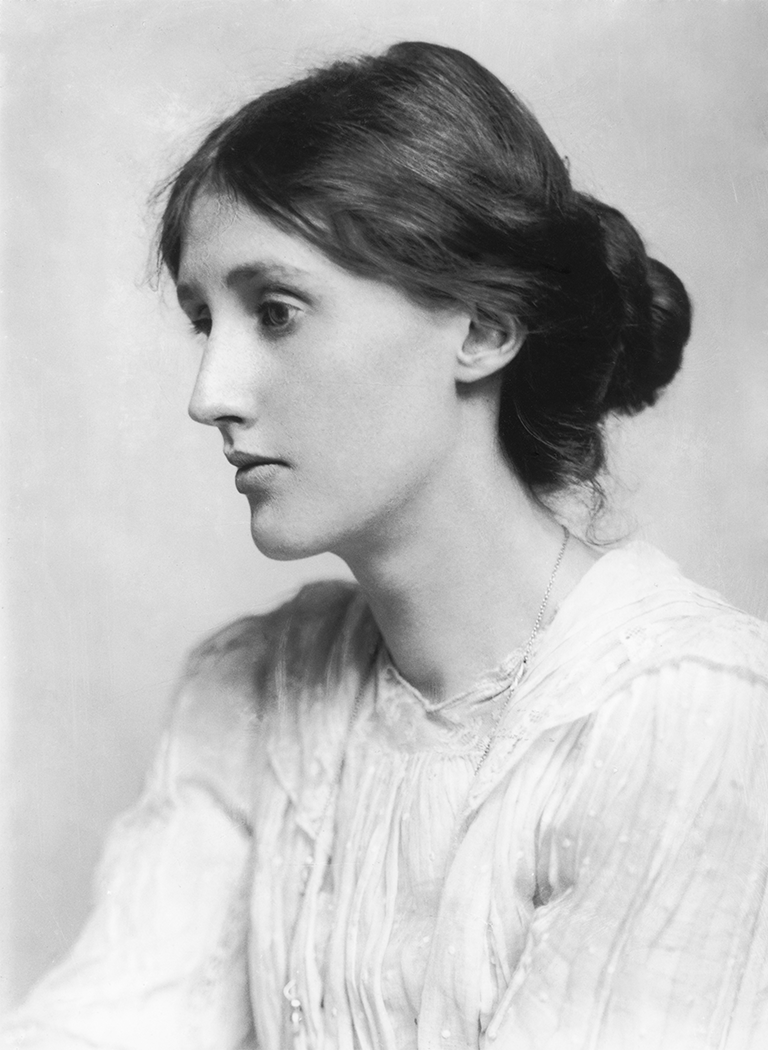
Virginia Woolf 1882-1941
British Author
The inspiration for The Words of a Woman came from Virginia Woolf. In her wonderful book about women and writing, A Room of One’s Own, she asks us to imagine that Shakespeare had a sister who was brilliantly gifted, as Shakespeare was, but who never wrote a word. She did not write, or even read, because it was not acceptable in her day for a female to learn to read or write; young women were expected to learn to darn socks and cook the stew. Her extraordinary gifts ― as extraordinary as her brother’s ― were never put to use.
“Now my belief is that this poet who never wrote a word and was buried at the crossroads still lives. She lives in you and in me, and in many other women… For great poets do not die; they are continuing presences; they need only the opportunity to walk among us in the flesh…For my belief is that…if we have the freedom and the courage to write exactly what we think…then the dead poet who is Shakespeare’s sister will put on the body which she has so often laid down. Drawing her life from the lives of the unknown who were her forerunners, as her brother did before her, she will be born.”
I discovered A Room of One’s Own at precisely the time in my life when I needed to read it. I had always wanted to devote myself entirely to my own creative work. In that moment, when I was seized by the spirit of Shakespeare’s sister, I was overcome by a deep sense of commitment and an exultant sense of urgency. I did not imagine how thoroughly I would be consumed ― I spent the next six years completely immersed in great literature by women.
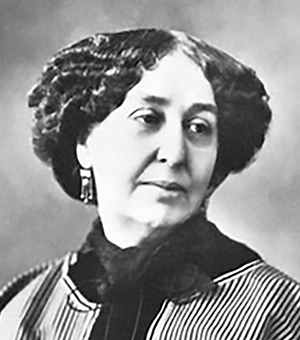
George Sand (Aurore Dupin), 1804-1876
French Romantic author
What Virginia Woolf aroused in me, George Sand blasted through my being. Her direct voice in Histoire de ma vie and Lettres d’un voyageur breathed life and form into an ethereal female spirit. I saw a woman alone on a stage; she stood completely exposed and absolutely forthright. She represented all the female artists and thinkers and writers who had gone before her ― all the Shakespeares who would have been, had they not been sisters. She spoke on behalf of all the women who would now step forward to claim their birthright ― their own voice of creative expression.
“This is not a part I am playing, it is not a duty, it is not even calculated; it is an instinct and a need…Write your own history, all of you who have understood your life and sounded your heart. To that end alone I am writing my own.”

Katherine Mansfield, 1888-1923
New Zealand short story writer
After reading George Sand’s letters and memoirs, Virginia Woolf’s A Writer’s Diary, Doris Lessing’s A Small Personal Voice, and The Journal of Katherine Mansfield, I became particularly drawn to works that contained the most self disclosure. I read novels and poetry and short stories, but then sought out the private personal reflections of the artist, the insight into the artist, often buried within otherwise pedestrian letters or hidden amongst the diaries depictions of uneventful days. My exploration of female literature became a treasure hunt. The more I read, the more jewels I discovered, and the more I was compelled to read.
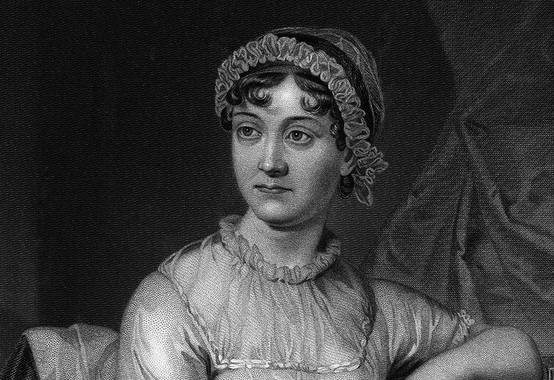
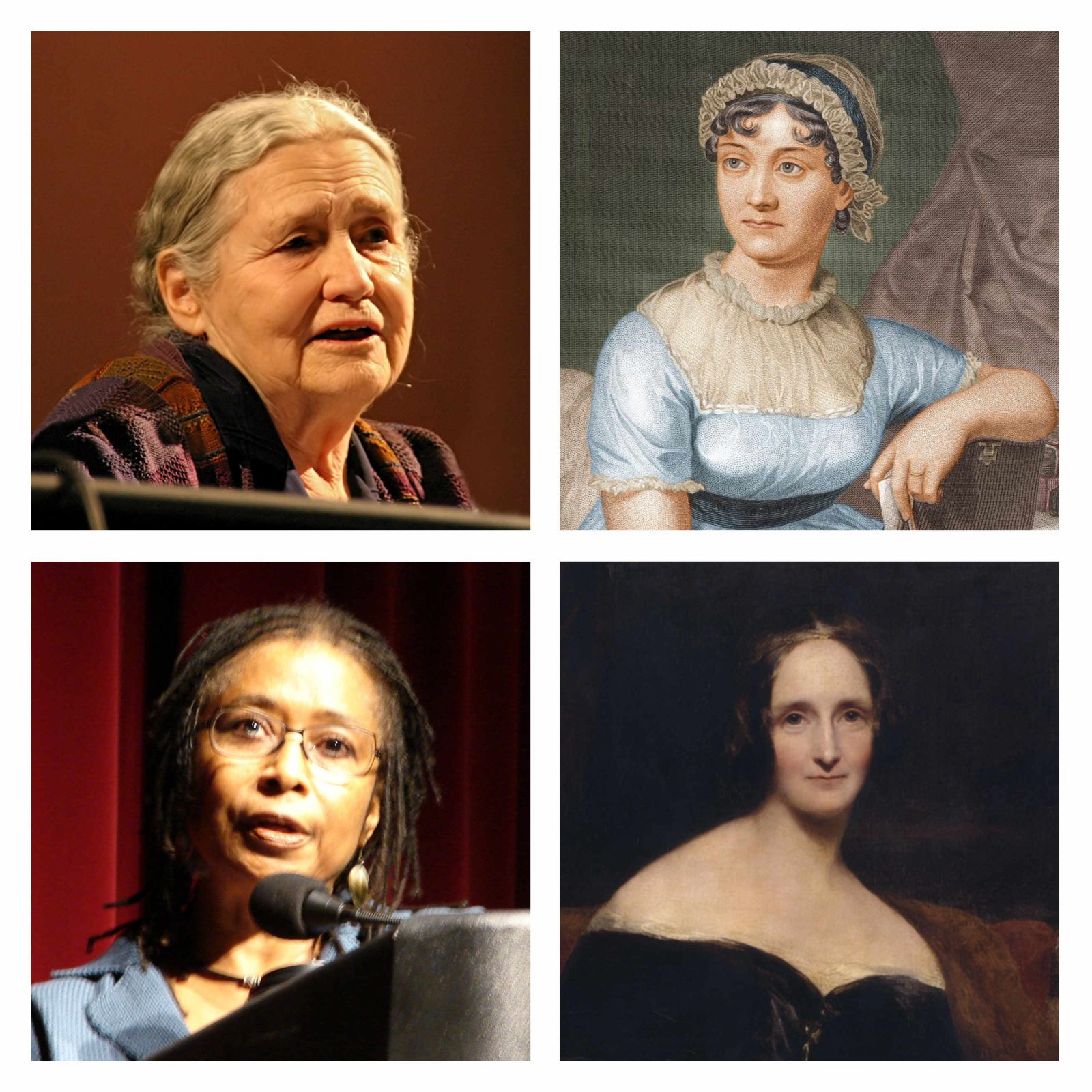
Jane Austen, 1775-1817
English novelist
With each new artist came new reflections of my own feelings, my own search, my struggle to create, to write. Was I indeed the carrier of something that had propelled George Sand and Virginia Woolf and Jane Austen and Katherine Mansfield and Olive Schreiner and all the other women whose words I was now devouring? They all felt the same thing inside; I was convinced of it. They were all driven to write, yes, but there was another distinct current of energy that ran through each of them and that struck a resonant chord in me ― we were women.
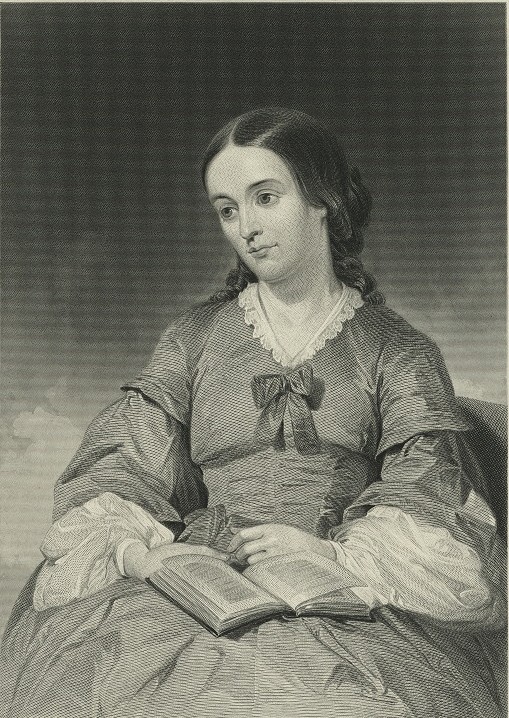
Margaret Fuller, 1810-1850
American author and activist
But female writers are not any different from male writers, are they? A writer is a writer is the contemporary view. Just as a corporate executive is a corporate executive, a senator is a senator. Or in our eagerness to equate “equal to” with “same as,” are we missing some very significant differences? If a writer is simply a writer, why would it be ludicrous to think of a project that highlights great literature by men? Why when scouting for great literature by women was I invariably directed to feminist work? Is the feminist perspective what distinguishes femaleness in literature? Has the feminist dynamic itself diminished the distinguishing features of femaleness? My personal search for the heart and psyche of women writers became more meaningful as it evolved.
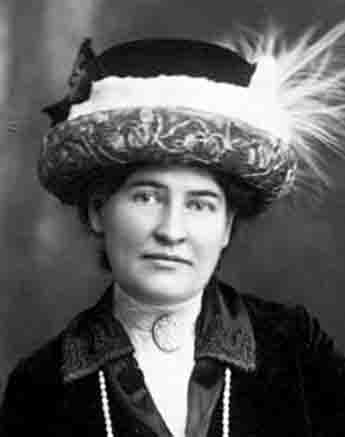
Willa Cather, 1873-1947
American Novelist
My own list of great women of literature grew: Jane Austen and Emily Dickinson and the Brontës were joined by Katherine Mansfield and Sarah Orne Jewett and Eudora Welty and Willa Cather and Edith Wharton and Flannery O’Connor and Annie Dillard. Mary Shelley held me entranced. I saw in Elizabeth Barrett the soul to which Robert Browning surrendered his heart. The density of George Eliot stretched both my reach and grasp. Gertrude Stein defied me to discover what inspires her following, and the challenge made the moment of discovery particularly sweet. Alice Walker’s razor’s age grew smooth and fluid as her poetry penetrated. Doris Lessing spoke about education in words everyone on the planet should hear, and Marguerite Yourcenar laid bare every human being’s responsibility for our environment and our world. Ting Ling moved me as though she had bled through her pen. She and Anna Akhmatova and Gabriela Mistral made the global human experience so immediate, so present.
Marguerite Yourcenar, 1903-1987
Belgian-born, French-American Author
Each writer led me to other writers. I also asked teachers and scholars and artists and friends to share with me their favorites, to help me discover the new or uncover the obscure, to reach outside my experience and exposure as a white middle-class American. (Because of Toni Morrison’s Playing in the Dark, I will never again be unaware of my own “literary whiteness.”) Of all the people involved in the process, I am most indebted to my French friend Nelly Vaisse who introduced me to Marguerite Yourcenar, a woman so full of wisdom and the gift of articulation that I am both proud and humbled to acknowledge the bulk of The Words of a Woman that belongs to her. Yourcenar lighted my way to an obscure French writer, Jeanne de Vietinghoff, and it would have been worth the years of searching just to know this one woman through the words she wrote.
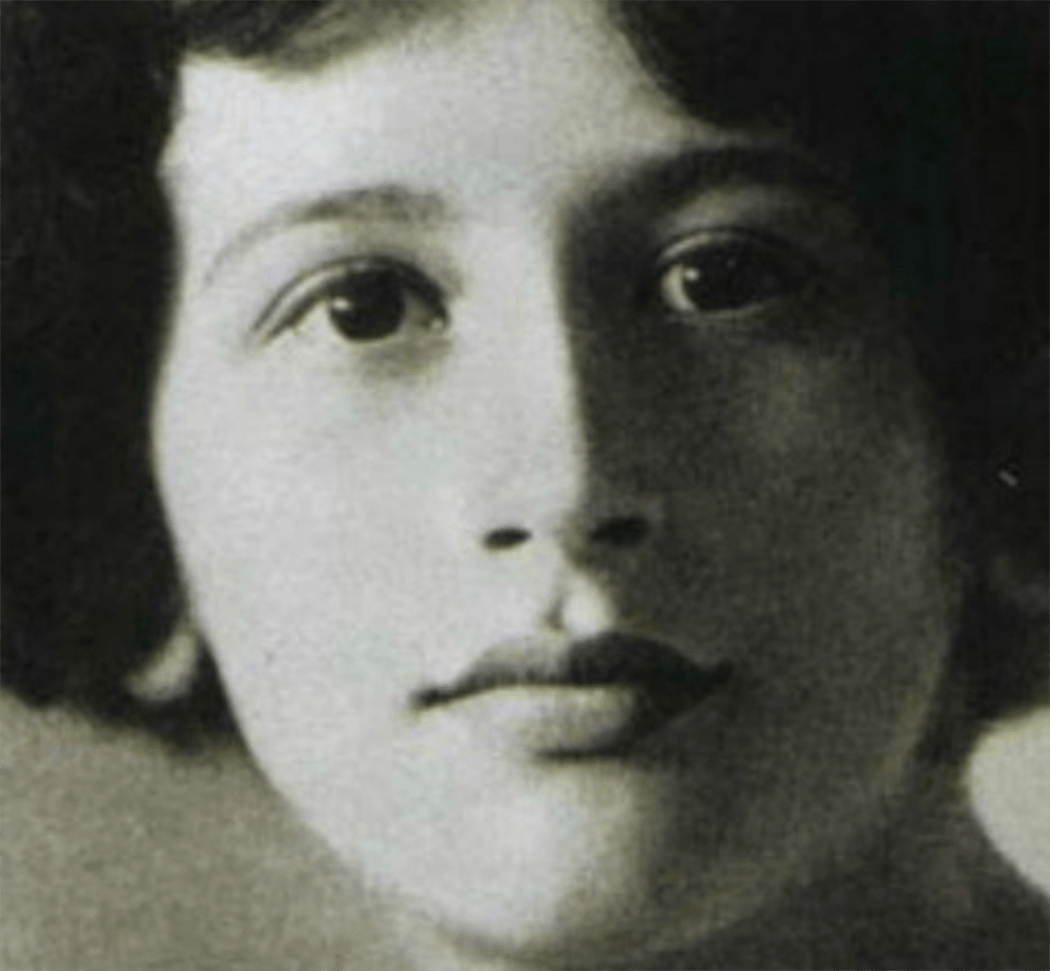
Simone Weil, 1909–1943
French Mystic and Social Philosopher
At one point I realized my discoveries were not exclusively from great literature; I was exploring in a larger realm of extraordinary women. Florence Nightingale and Marie Curie and Mother Teresa had left indelible marks in history; their written words were important and powerful. The philosophy of Simone Weil shook me to the core. Isadora Duncan spoke of life and art as only the great dancer Isadora could. The tortured soul of Isabelle Eberhardt, a tragic 19th-century North African wanderer, cried out to me through her memories which were found in the wreckage of her disastrous circumstances. And Aung San Suu Kyi ― one of the most courageous human rights activist ― her words belonged in this piece. As did the spiritual insights of naturalist Machaelle Small Wright and Buddhist-anthropologist Joan Halifax, and the wonderful message Marlo Morgan carried back to the U.S. from the Aborigines.
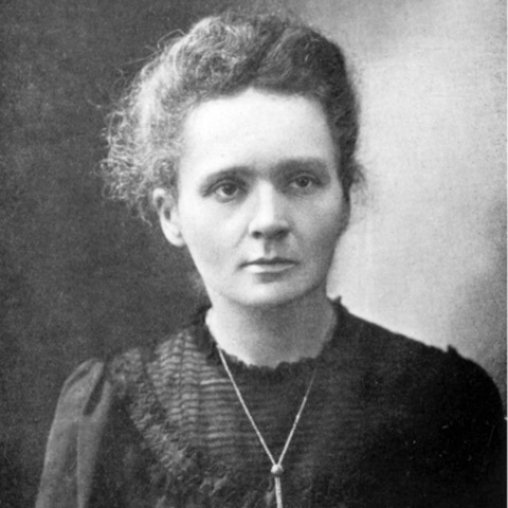
Marie Curie, 1867-1934
Polish, naturalized-French physicist and chemist
What was my allegiance to great literature? What was I discovering here in the words of extraordinary women? And where was I going with this project? The answer was clear. I would continue to read all the exceptional women I discovered and let the writings themselves guide the process. The focus would be entirely on the words. At this point I knew that some final work would be entitled simply The Words of a Woman.
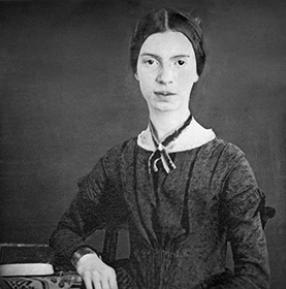
Emily Dickinson, 1830-1886
American poet
Within a few years I had assembled an immense collection of literary gems, excerpts I had pulled from hundreds of writings by the remarkable women I had come to know. Throughout endless hours in the company of these female spirits, I found myself communicating with them, even aloud, laughing with them, celebrating new discoveries, compelling connections between their words; they seemed to gravitate toward one another. It was as though a composite persona had emerged from the pages and was guiding the flow of editing and weaving, molding the piece to her expression, to convey her message. I found myself in one of the most fluid and exhilarating processes I have ever known, when neither the course nor the objective was completely clear. What I knew with certainty was that the product of this incredible process would possess a value all its own.
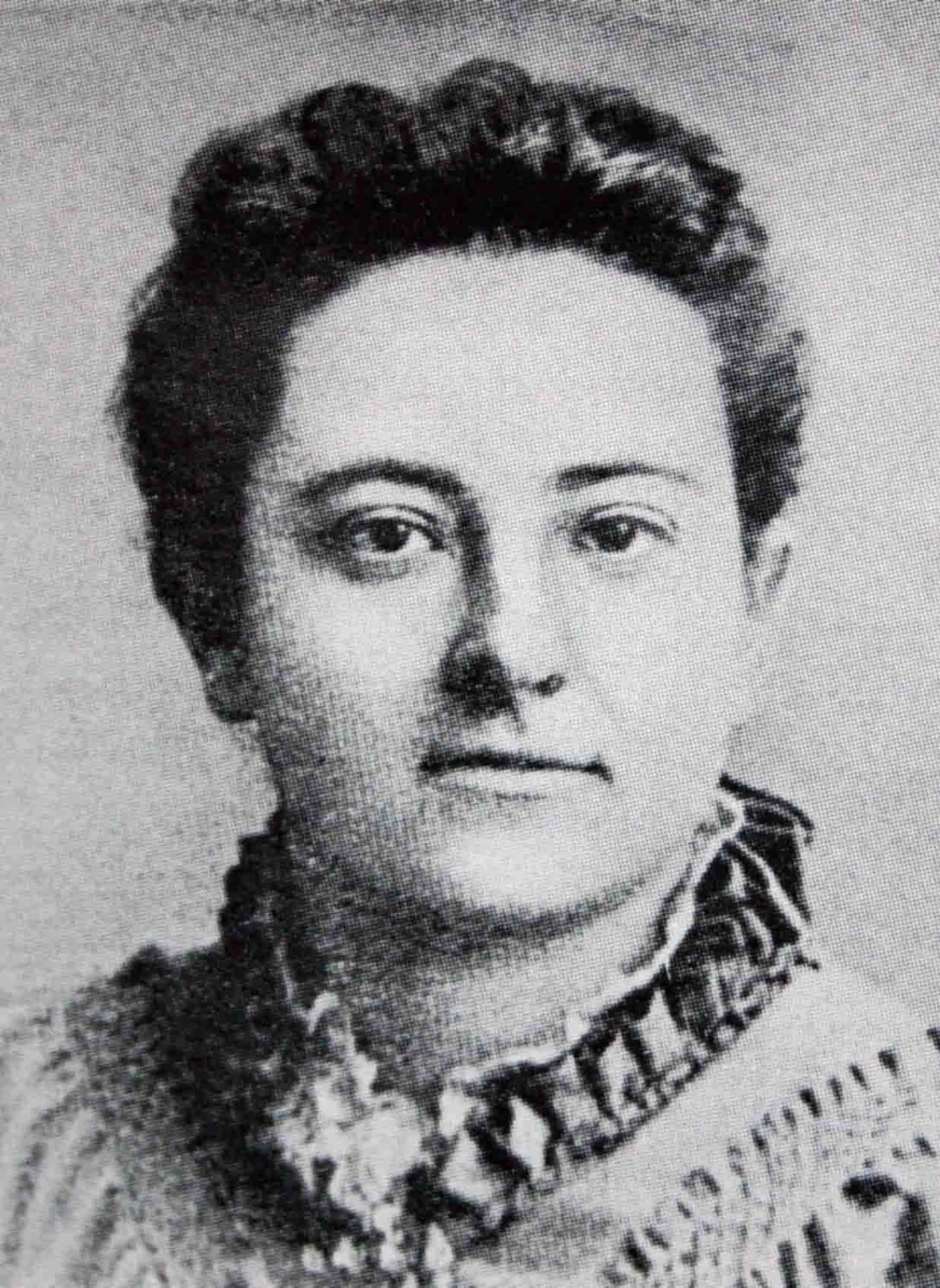
Olive Schreiner, 1855-1920
South African author and activist
The building of a mosaic is an appropriate description of this process. From each of these women I have gained another piece of a larger understanding of life, of humanness, of femaleness. One of the most pronounced insights has been of how profoundly penetrating the eye of a woman can be, how powerful her influence can be, when she is simply being ― not carrying a banner for women, or fighting for the rights of women, but being one. The voice I have heard in the words of these women is one that is often lost in the confusion of our changing roles, in our efforts to find an equality at the same time we hold on to the precious differences that can make a perfect wholeness of the male-female dynamic. The voice I have come to recognize as the female voice is not a voice for women or about women. It is not even a voice unique to women. It is the female voice that exists in all of us ― a voice some say we as a society are just beginning to hear, and that we would do well to listen to it.
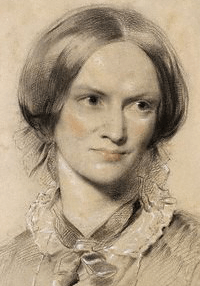
Charlotte Bronte, 1816-1855
English novelist
What does one do with a literary mosaic with a female voice? The original image of a woman on a stage remained with me. Could a theatrical work actually be composed of such an extraordinary collection of literary excerpts? The final piece included the words of more than fifty women of diverse life experiences from around the globe and through centuries of time, excerpts from great novels and poetry and prose, from diaries and letters, essays and interviews and speeches. Could the very real and very singular woman who had emerged and guided me through this process actually be heard by an audience? Could this mosaic of melded energies possibly affect anyone else the way it was affecting me?
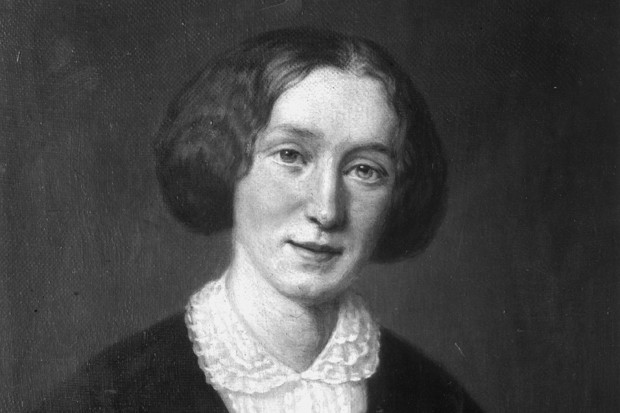
George Eliot (Mary Ann Evans),
1819-1880, English novelist
Emerson says that genius is believing that what is true for us in our own private heart is true for all humanity. But no matter how deeply we believe in something, until it actually resonates with other human beings, there is a sense of incompleteness about it. Until that moment, when we are assured we are not alone, even truth is not quite enough. It is this response that I believe every artist seeks; it is for this response that we create.
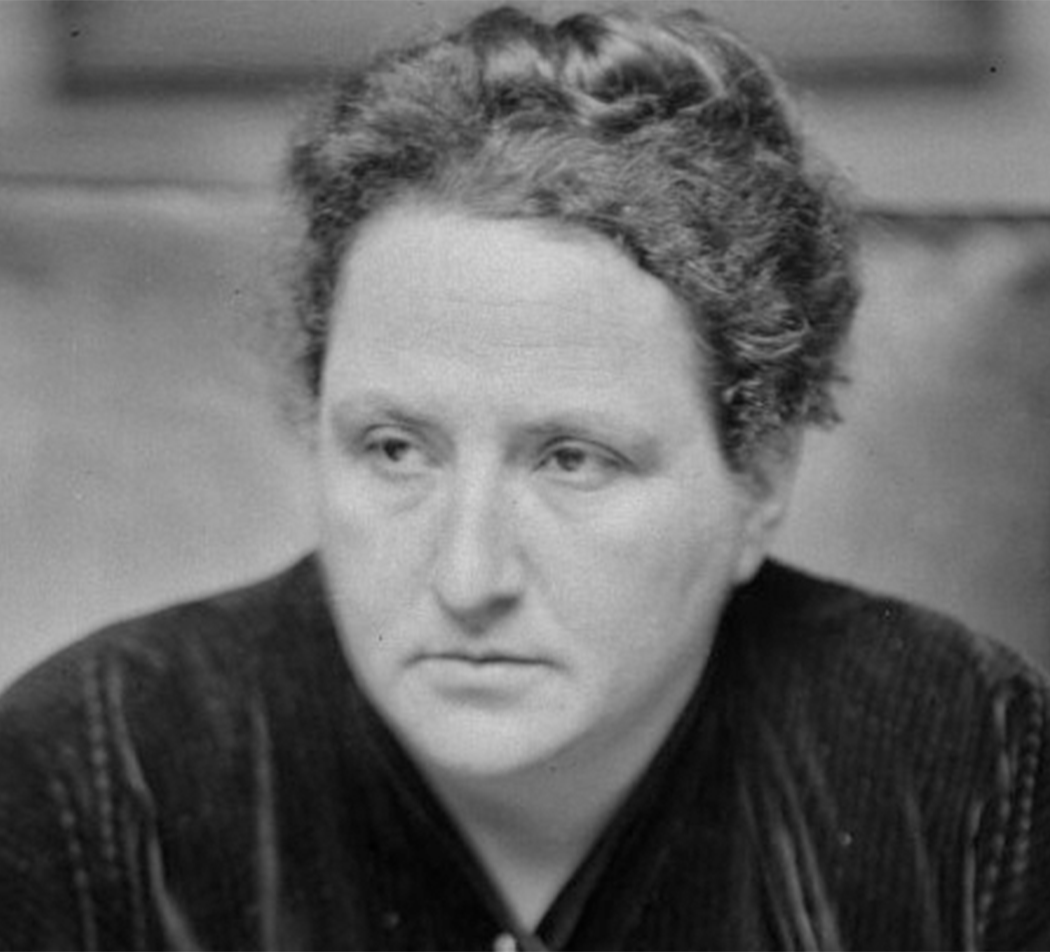
Gertrude Stein, 1874-1946
American-Parisian author
On December 9, 1995, I presented The Words of a Woman, a literary mosaic and one-woman drama, at the Ann Arbor Civic Theater. The literary company I had been keeping for the past few years had pushed me headlong into a brand new dimension of personal exposure. I could hardly believe I was sitting on a stage in front of an audience, an obsessed writer masquerading as an actress. The excruciating anxiety about this utterly untried creation was something I survived only by being accompanied by some of the most formidable females of all time. And their truth was my truth:
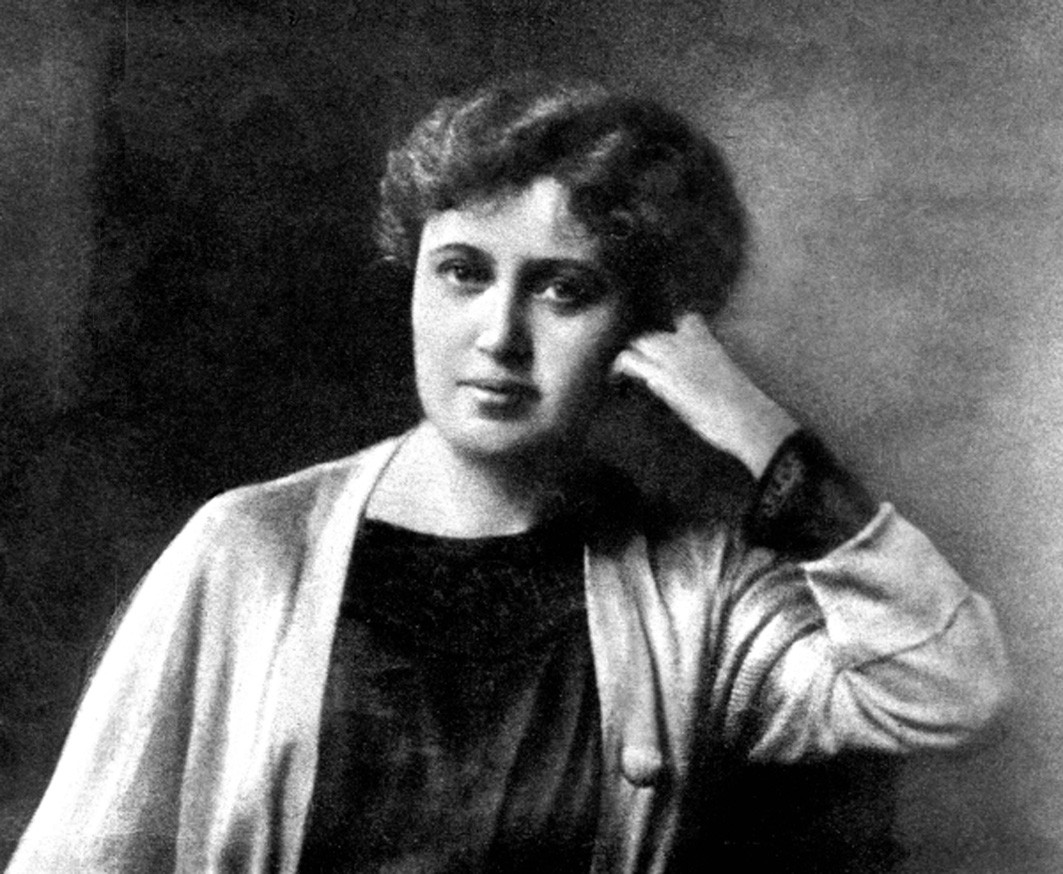
Jeanne de Vietinghoff, 1875-1926
Belgian-born French Author
“You finally do have to give something terribly intimate and secret of yourself to the world and not care, because you have to believe that what you have to say is important enough…to give yourself away and take the consequences, whatever they are.” And the words of May Sarton were echoed by Jeanne de Vietinghoff’s: “To give yourself for what you are, and seek to be worth much, in order that you may give much.”
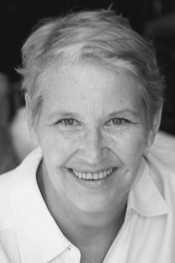
Annie Dillard, born 1945
American author
I was also fortified by the vivid memory of some extraordinary theatrical experiences ― Julie Harris’ portrayal of Emily Dickinson, Judith French’s Jane Austen, Irene Worth’s Edith Wharton, Eileen Atkins’ superb Virginia Woolf. I had learned from these actresses that great literature delivered honestly can indeed reach people. The power of their performances relied entirely on the strength of the character who wrote the words and on the command of the words themselves, no contrived movement, just a sincere delivery accompanied by the natural physical responses the words evoke. This was an incredible challenge.
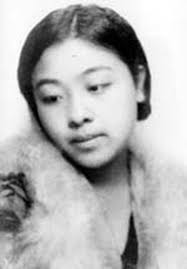
Ting Ling, 1904-1986
Chinese author
During that eternity on the stage in Ann Arbor, one could have heard a needle drop in the theater. The silence terrified me. Afterward, as I stood alone in the dark backstage, I did not know how I would ever console myself for the abysmal failure of my coming out as an artist. I told myself that I could at least feel gratified that I had put myself out there and survived it. The audience had applauded so I knew they would be polite at the reception; I just had to get through it. As I walked the dark hallway to my fate, I was greeted by a black man who was coming backstage to see me. I looked into his face and saw tears in his eyes. He said, “Thank you. I can’t tell you how much I needed to hear that.” I could see that he had been deeply moved. Standing with that man for that moment holding his hands and looking into his face, I remembered a promise I had made to myself: If my work had been worthwhile for one person, I would consider it a success. I will never forget that man or that moment.
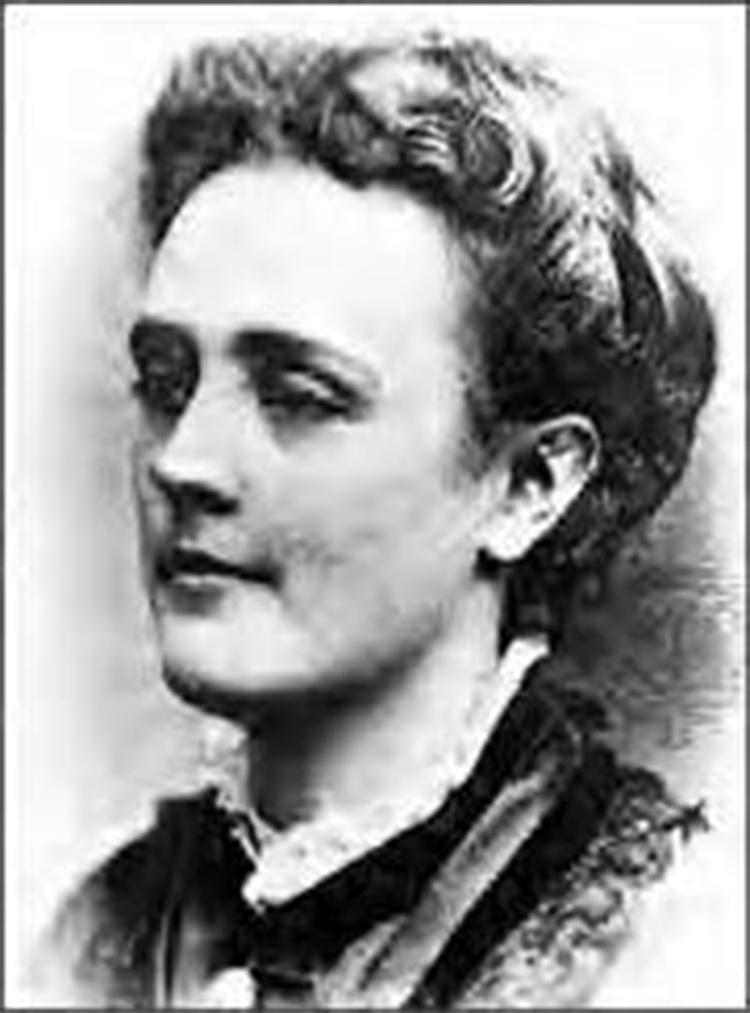
Sarah Orne Jewett, 1849-1909
American author
To my surprise and inexpressible joy, that man was not alone in his response. I learned that the silence in the theater was the silence of people listening intently to every word. I have since been invited to several venues around the country where each time the performance has been received with the same reverent stillness. People were listening to the words. And even more thrilling was their eagerness to read the piece, to be with it again, to examine the “seamlessness” and the illusion of one voice, to ruminate on the passages that had swept them away.
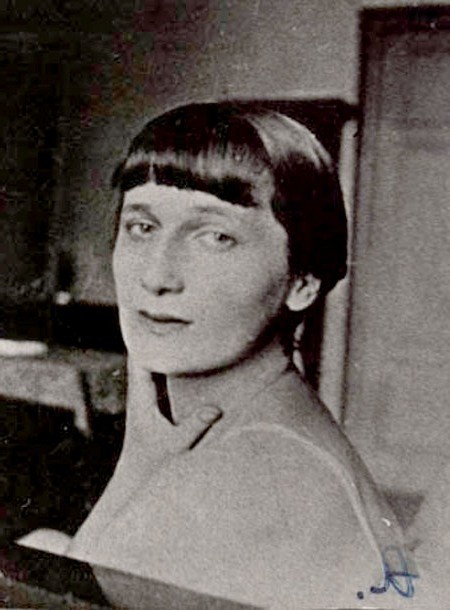
Anna Akhmatova, 1889-1966
Russian poet
The tremendous power of the relationship between author and reader was again affirmed in the unmistakable passion of the audience members who spoke to me. Their eyes would lock with mine as they recited the passage that had struck them like a thunderbolt; they could not wait to know the identity of the author and the work. I knew that as soon as they could get to a library or a bookstore they would be exploring their new discovery and relishing every word. Each time, as I took such pleasure in speaking of the author, I shared again in that wonderful relationship ― the connection we feel with someone we know intimately, someone we have come to know only through their writing.
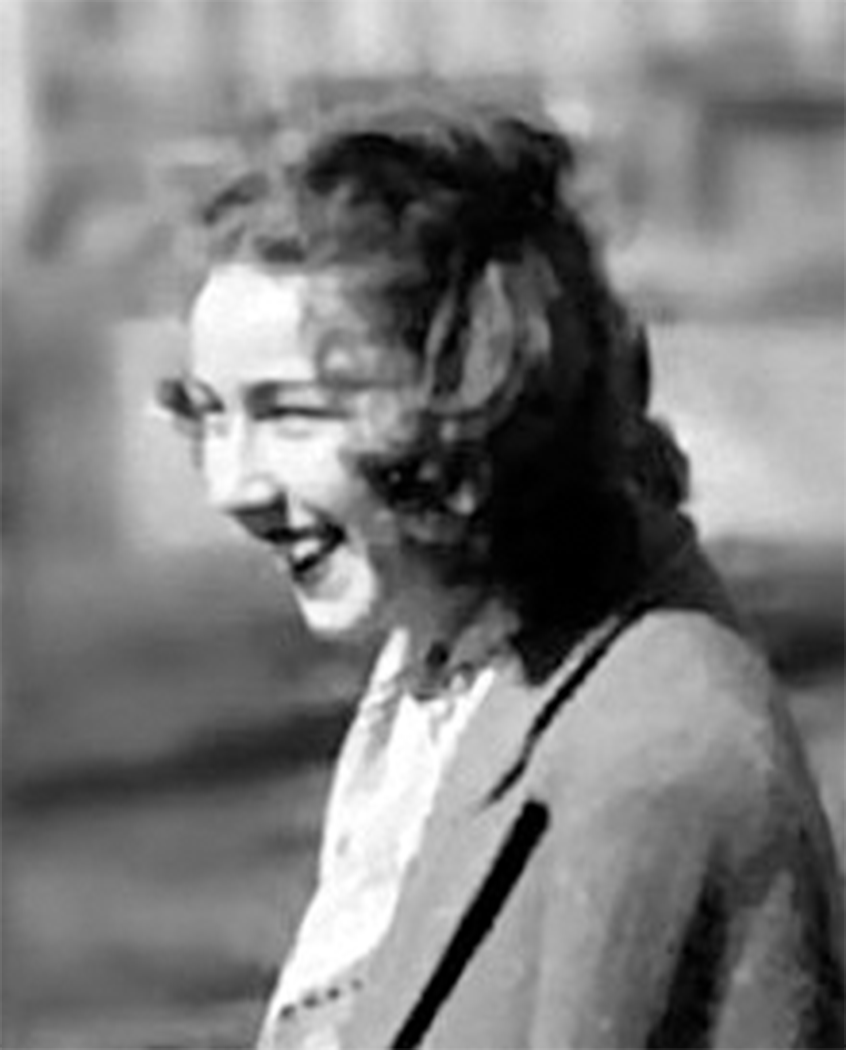
Flannery O’Connor, 1925-1964
American Author
Although my presence on stage could not begin to do it justice, The Words of a Woman had indeed taken form. From the moment of its conception, that moment with Virginia Woolf’s Shakespeare’s sister, it was destined to be brought to life. It was destined to be experienced through the profound intimacy that is uniquely theater. But this little piece of theater took its form from great literature. And great literature must be read. It must be absorbed and handled and contemplated and cherished, and be available to be revisited again and again.
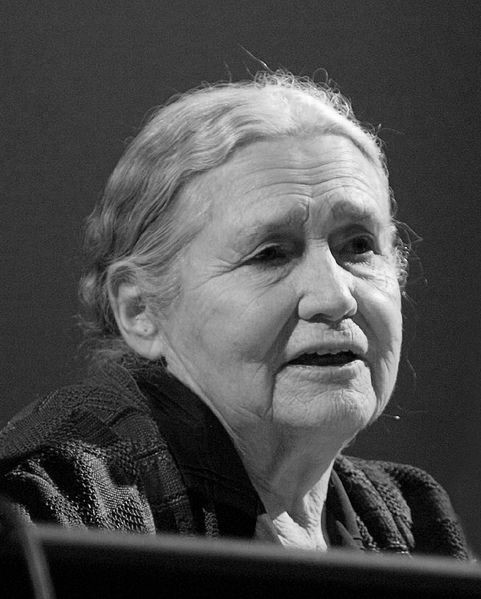
Doris Lessing, 1919-2013
British author
All my life I had struggled to find my own voice as an artist. I could feel it reverberating inside of me. Why could I not give form to it? How could my most essential self be so elusive? I believe even artists spend much of their lives thinking of the creative process as something that is willed into being. The very arrogance of being human has fooled us into believing that all things begin with our intelligence. We have so surrounded ourselves with things that are the products of our conceiving and planning and working, we forget that we ourselves are but tiny specks in a much larger process. I know now that the creative process is something that happens to us. It finds us and fuses with us and takes up residence, and makes it impossible for us to give to it anything less than all of the energy it deserves.
Alice James, 1848-1892
American thinker and writer
Six years ago, when I became deeply and obsessively immersed in great literature by women, I knew only that my soul needed to do this. I had no idea that in the process I would be finding my own voice. I have learned that the appreciation of greatness is as important in our lives as the ability to achieve it. These women have taught me to aspire not to greatness but to honesty, that not everything which is honest will be great, but nothing which is dishonest can be.
Through A Room of One’s Own and indeed her entire body of work, Virginia Woolf has been a galvanizing force in the emergence of great women writers. I believe she would be the first to remind us that great writing is never created to balance the scales for women, not even for the centuries of women who were denied self-expression. To write anything worthwhile, she asserts, we must write for ourselves. Although the spirit of Shakespeare’s sister “lives in you and in me and in many other women,” I was not compelled to create The Words of a Woman for Shakespeare’s sister, nor for all the luminous female spirits with whom I have had the great pleasure of colliding. This was a thoroughly selfish exercise which has nourished me in ways I cannot begin to enumerate. Above all, it has taught me to believe in my own spirit, to remain unflinchingly faithful to it, and to keep writing.
Christine Mary McGinley, 1999
Hardcover, 160 pages
Crown Publishers, Inc. 1999
ISBN: 0-609-60411-2
Available through all major sellers
• Abe Books »
• Alibris »
• Amazon »
• Better World Books »
Photo Attributions
Simone Weil By Anonymous (see Simone Weil, Œuvres, Gallimard, 1999, ISBN 9782070754342: uncopyrighted cover image). [Public domain], via Wikimedia Commons
Virginia Woolf By George Charles Beresford [Public domain], via Wikimedia Commons
Marguerite Yourcenar By Rob C. Croes (ANEFO) (GaHetNa (Nationaal Archief NL)) [CC BY-SA 3.0 (http://creativecommons.org/licenses/by-sa/3.0)], via Wikimedia Commons
Doris Lessing By Doris_lessing_20060312_(jha).jpg: Elke Wetzig (elya) derivative work: PRA (Doris_lessing_20060312_(jha).jpg) [CC BY-SA 2.5-2.0-1.0 (http://creativecommons.org/licenses/by-sa/2.5-2.0-1.0), CC-BY-SA-3.0 (http://creativecommons.org/licenses/by-sa/3.0/) or GFDL (http://www.gnu.org/copyleft/fdl.html)], via Wikimedia Commons
Annie Dillard By Photo by Phyllis Rose (Annie Dillard’s Official Website) [GFDL (http://www.gnu.org/copyleft/fdl.html)], via Wikimedia Commons
Flannery O’Connor By Cmacauley [CC BY-SA 3.0 (http://creativecommons.org/licenses/by-sa/3.0)], via Wikimedia Commons
Anna Akhmatova By N. Gumilyov – www.stihi-rus.ru, Public Domain, https://commons.wikimedia.org/w/index.php?curid=4782567

